

Flooring · Brookvale · Leichhardt · Bondi Junction
Herringbone and chevron flooring
Pattern floors in engineered oak, hybrid and laminate. They take more skill and more boards to lay, and nothing else changes a room as much.
Our pattern ranges
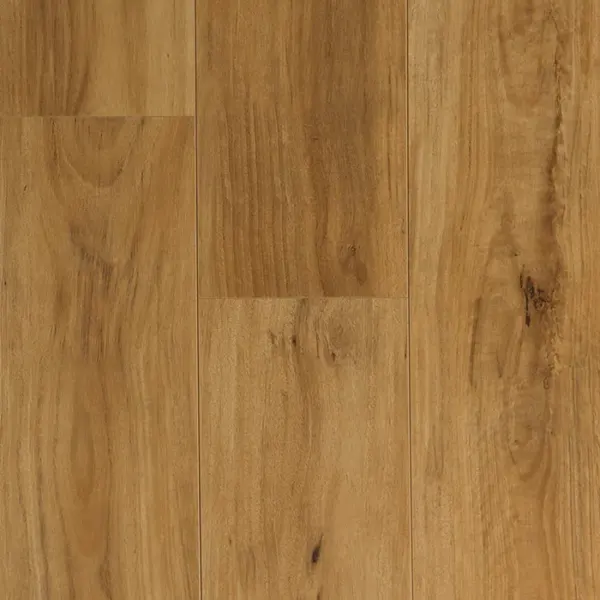 Aqua Laminate12.3mm thick · 196mm wide12.3mm AC5 laminate, 2200 x 196mm, low-swell HDF core, 5G click. Spill-resistant, floats on underlay.8 colours
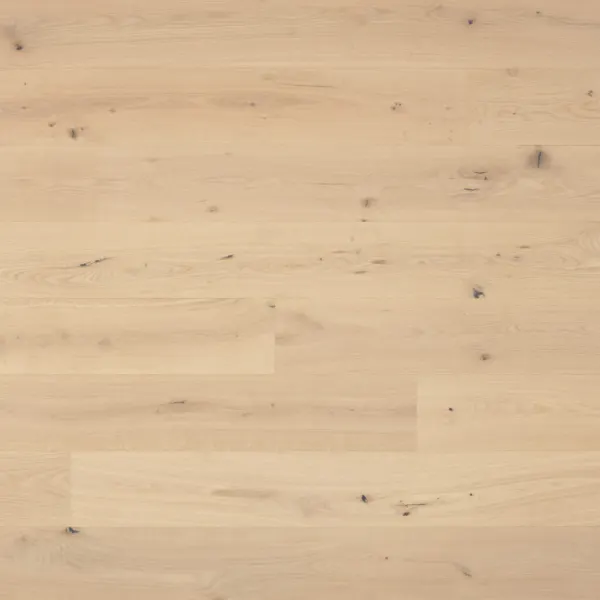 Arlo14mm thick · 3mm top layer · 190mm wide14mm European oak click plank, 1900 x 190mm, 3mm top layer; Lakewood's likely successor.8 colours
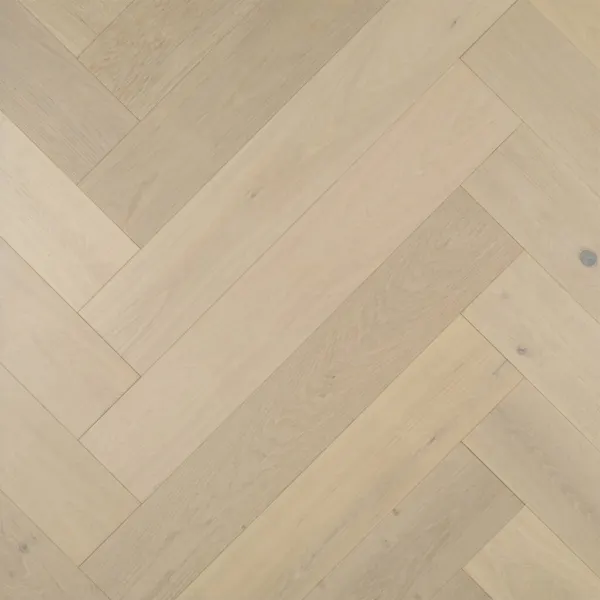 Arlo Herringbone14mm thick · 3mm top layer · 148mm wide14mm European oak herringbone blocks, 888 x 148mm, glue-down; replaces Lakewood Herringbone.5 colours
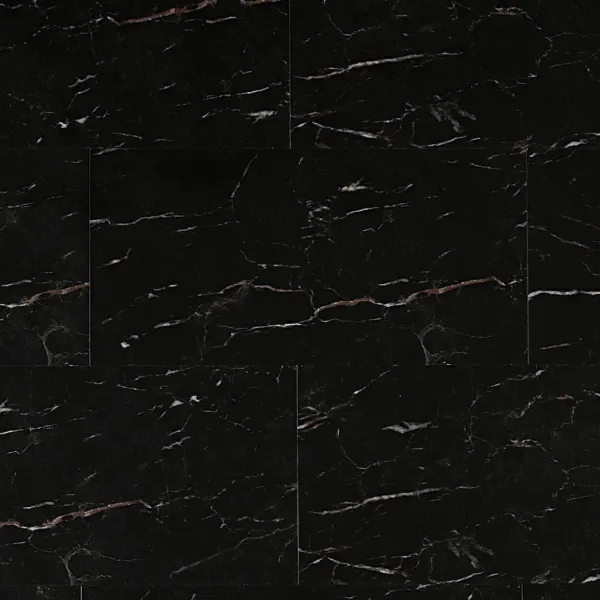 Artisan Tile9mm thick · 0.5mm wear layer · 310mm wide9mm stone-look hybrid tile, 620 × 310mm, with attached EVA underlay; marble and stone designs.12 colours
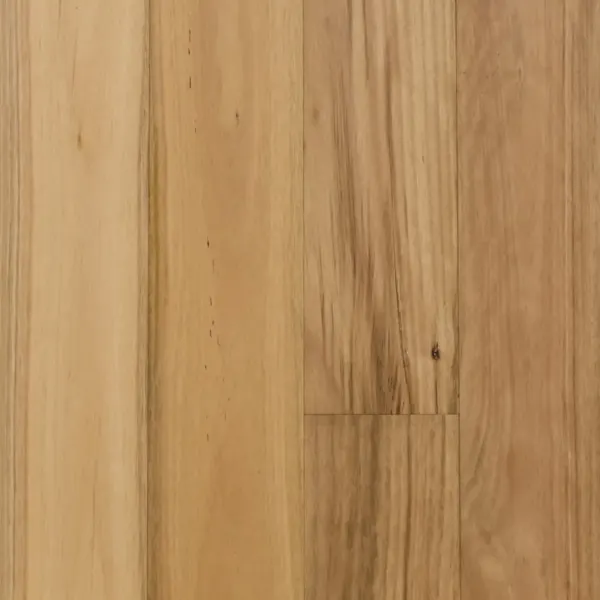 Australian Hardwood (Spotted Gum, Blackbutt)14mm thick · 3mm top layer · 133mm wide14mm engineered Spotted Gum or Blackbutt, 133mm wide, 3mm hardwood top layer, oiled. Clicks together and floats.2 colours
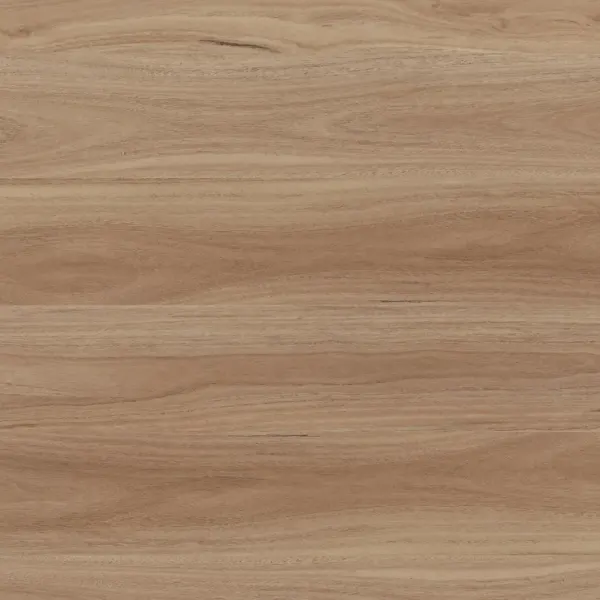 Avala6.5mm thick · 0.5mm wear layer · 183mm wide6.5mm SPC hybrid plank with attached underlay, 183mm or wide 230mm, Australian timber looks.10 colours
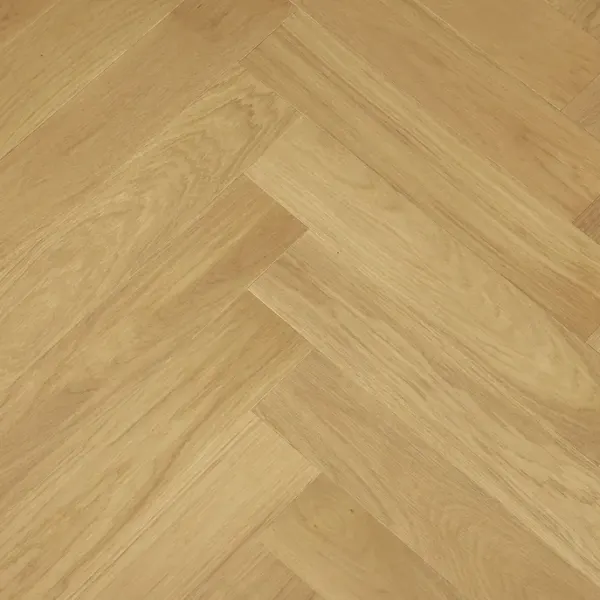 Castel Nuovo14mm thick · 3mm top layer · 120mm wideEngineered European oak herringbone, 600 × 120 × 14mm blocks with a 3mm oak top layer.12 colours
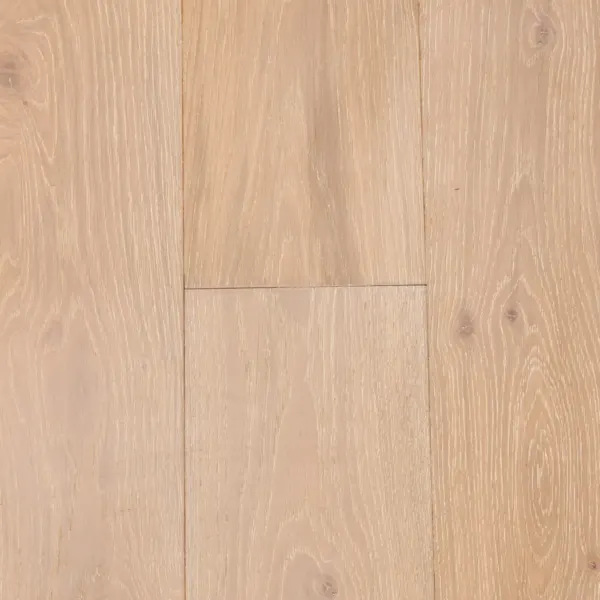 Chevron15mm thick · 4mm top layer · 120mm wide15mm European oak chevron, 120 x 600mm, 4mm oak top layer, oiled. Glue-down; needs an experienced layer.13 colours
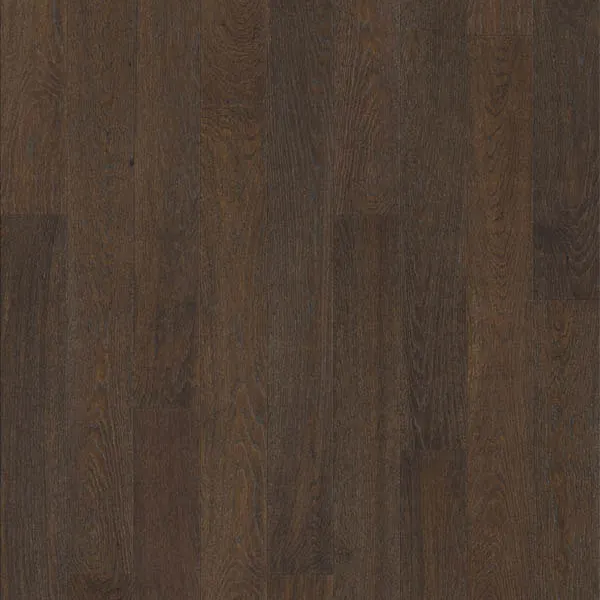 European Oak 14mm Natural Plank14mm thick · 2mm top layer · 190mm wideNatural-grade European oak, 1900 x 190mm, 2mm oak top layer, brushed matt lacquer.14 colours
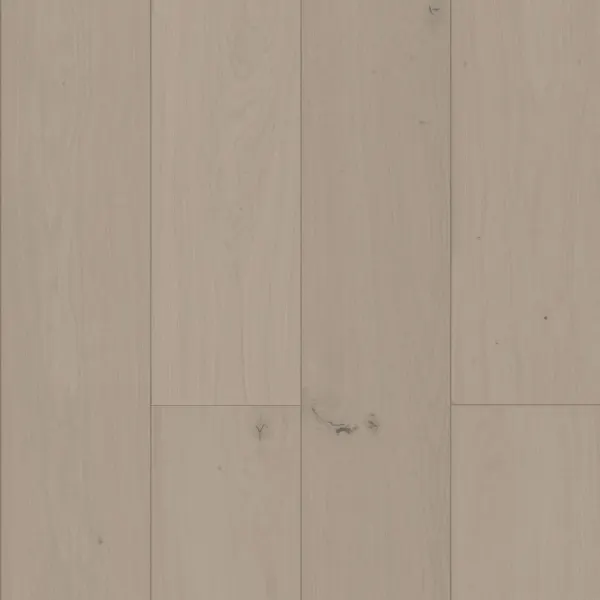 European Oak 15mm Natural Plank15mm thick · 3mm top layer · 190mm wideNatural-grade European oak with a 3mm top layer, 1900 x 190mm, brushed matt finish, 13 colours.13 colours
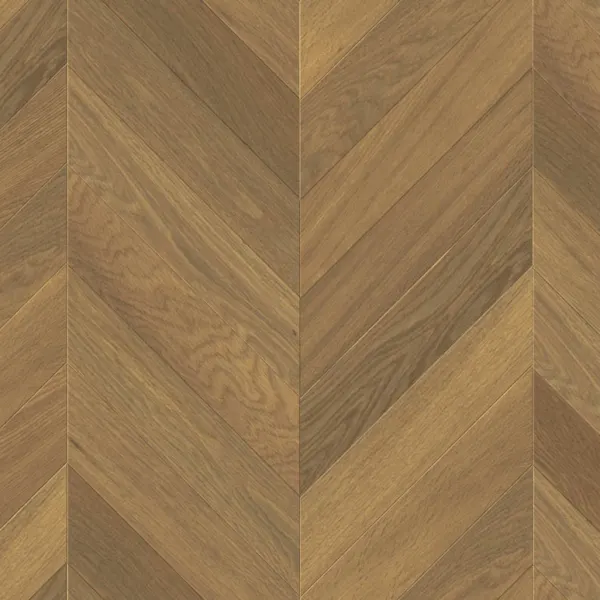 European Oak 15mm Prime Chevron15mm thick · 3mm top layer · 90mm widePrime-grade European oak chevron, 600 x 90 x 15mm boards, glued down, 10 colours.10 colours
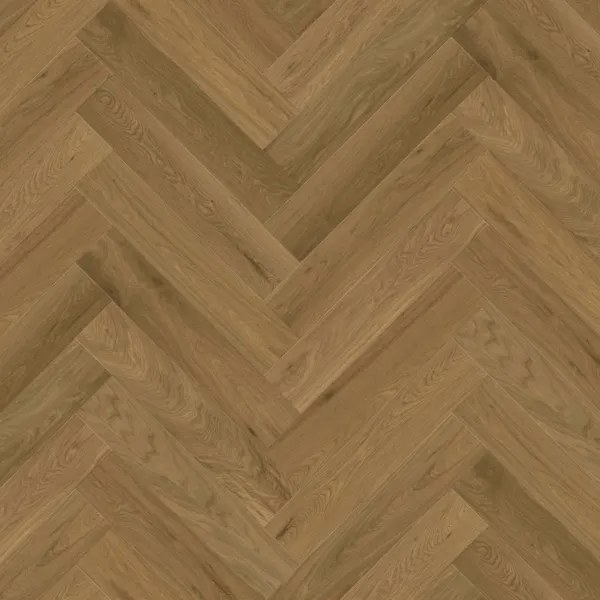 European Oak 15mm Prime Herringbone15mm thick · 3mm top layer · 120mm widePrime-grade European oak herringbone blocks, 600 x 120 x 15mm, glued down, 15 colours.15 colours
 Excellence Laminate12mm thick · 193mm wide12mm AC4 laminate, 2250mm boards, drop-lock, eight colours; for dry living areas.8 colours
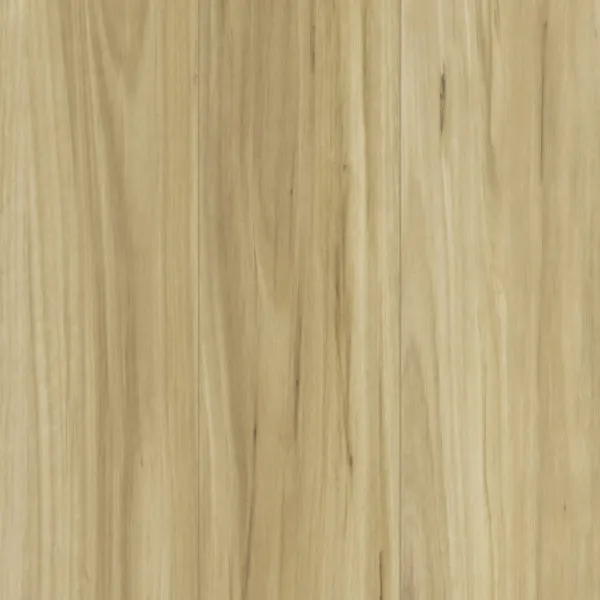 Extreme Laminate12mm thick · 193mm wide12mm AC5 laminate, 2200 x 193mm, 5G click, ten colours; not for bathrooms or laundries.10 colours
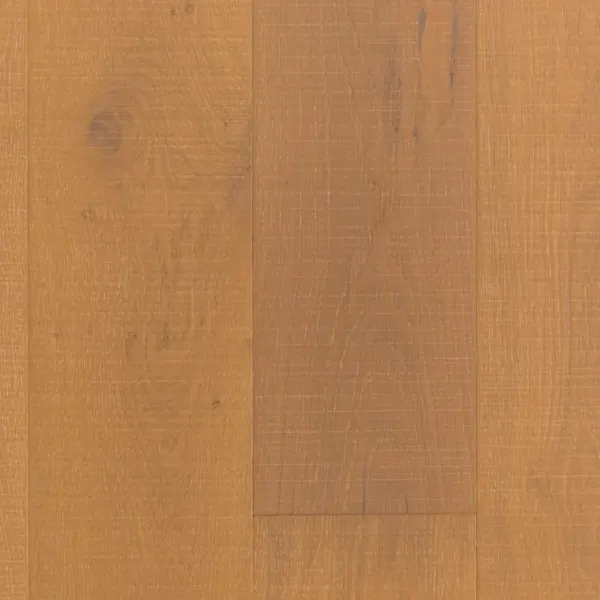 Herringbone15mm thick · 4mm top layer · 90mm wide15mm European oak herringbone blocks, 90 x 540mm, 4mm oak top layer, oiled. Glue-down.13 colours
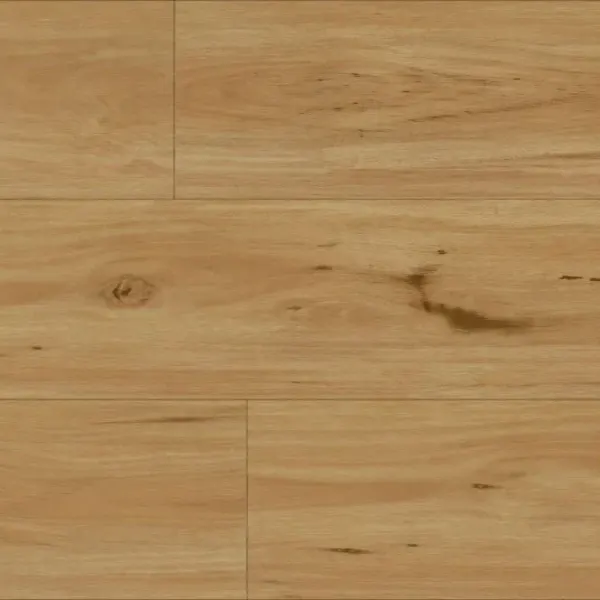 Hybrid 6.5mm6.5mm thick · 0.5mm wear layer · 182mm wideSlim 6.5mm rigid-core hybrid, 182mm boards, attached underlay, in blackbutt, spotted gum, oak and grey looks.10 colours
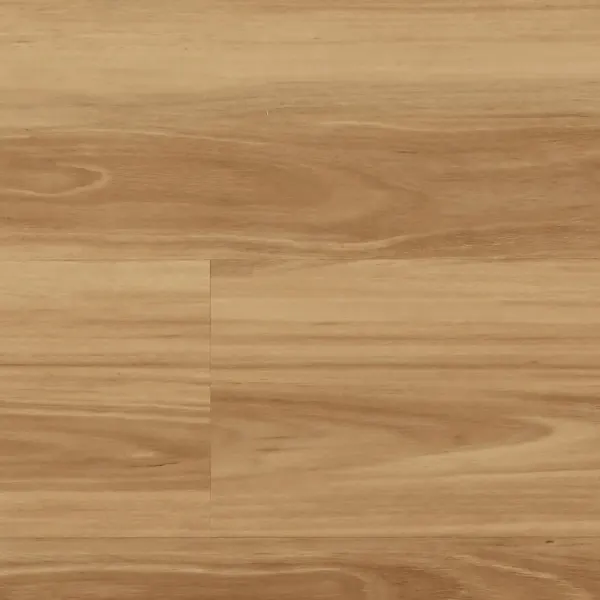 Hybrid 9mm9mm thick · 0.5mm wear layer · 228mm wide9mm rigid-core hybrid, 228 x 1800mm boards with 2mm attached underlay, in oak, gum and grey looks.8 colours
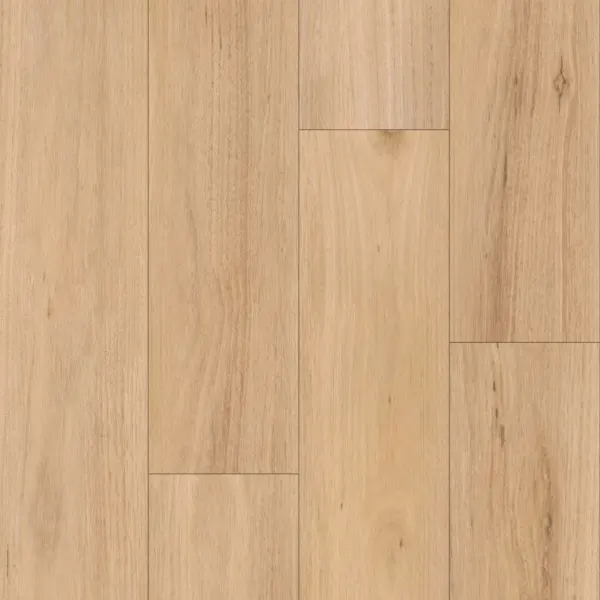 Hybrid 9mm Plank9mm thick · 0.5mm wear layer · 228mm wideWide 9mm hybrid plank, 1800 x 228mm, 2mm built-in underlay, floating, ten colours.10 colours
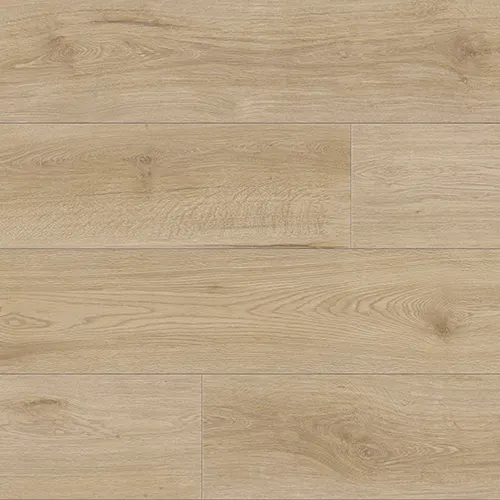 Hybrid Corsica 8558.5mm thick · 0.5mm wear layer · 225mm wide8.5mm SPC hybrid, 1420 x 225mm, attached 2mm underlay; bathrooms allowed under warranty conditions.10 colours
 Hybrid Fusion 6mm6mm thick · 0.5mm wear layer · 230mm wideSlim 6mm hybrid plank with built-in underlay, 230 x 1520mm, satin embossed finish.8 colours
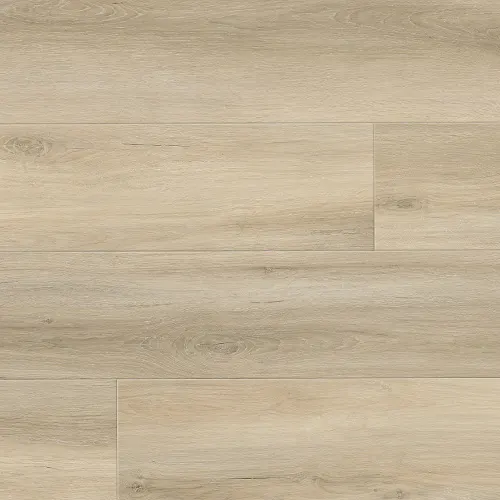 Hybrid Summit 9779.7mm thick · 0.7mm wear layer · 225mm wide9.7mm SPC hybrid, 1820 x 225mm, 0.7mm wear layer; the heaviest-duty plank in its family.10 colours
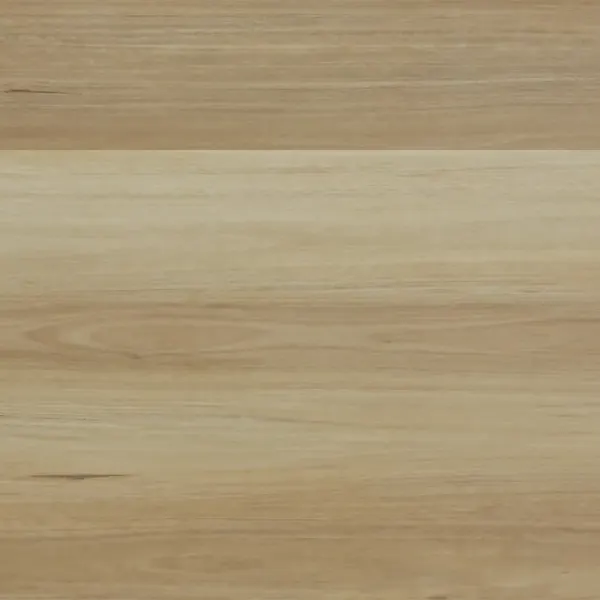 Hybrid Superior 9mm9mm thick · 0.5mm wear layer · 230mm wideSolid-feeling 9mm hybrid plank with built-in underlay, 230 x 1520mm, 13 colours.7 colours
All herringbone and chevron floors
- European Oak 15mm Prime HerringboneAcorn Brown
- 15mm thick
- 3mm top layer
- 120mm wide
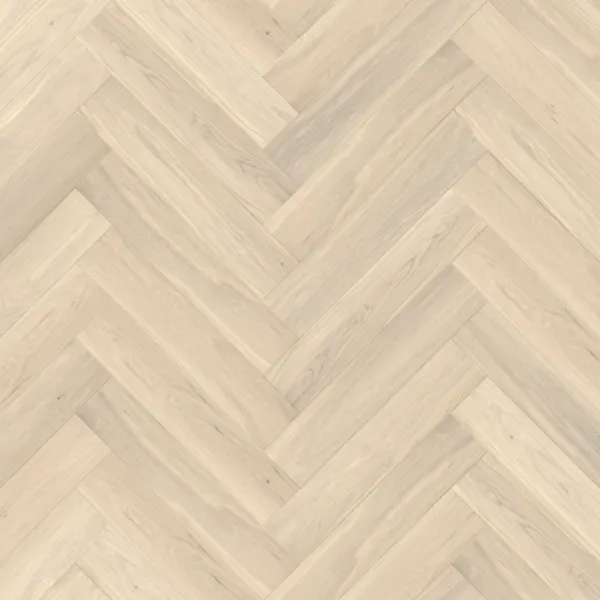 European Oak 15mm Prime HerringboneAntique White
- 15mm thick
- 3mm top layer
- 120mm wide
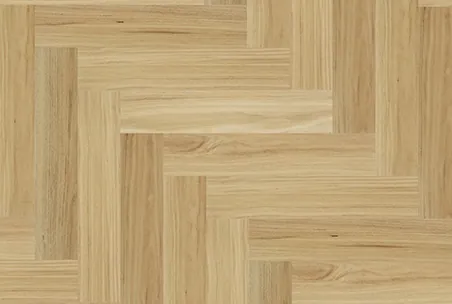 Shield Everlast HerringboneAtlantic Blackbutt Herringbone
- 10mm thick
- 120.8mm wide
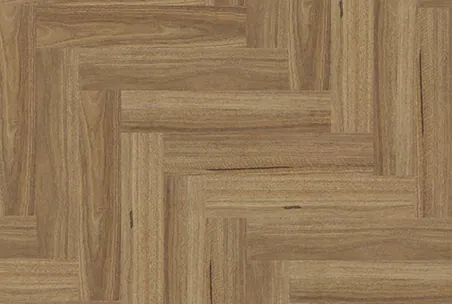 Shield Everlast HerringboneAtlantic Spotted Gum Herringbone
- 10mm thick
- 120.8mm wide
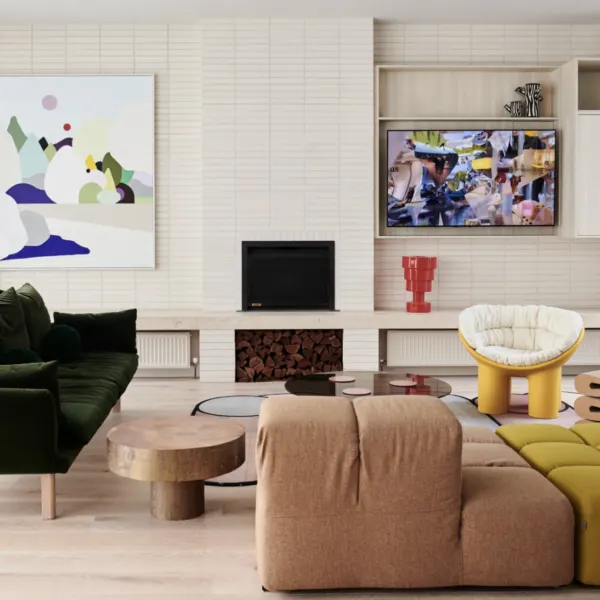 HerringboneAuber
- 15mm thick
- 4mm top layer
- 90mm wide
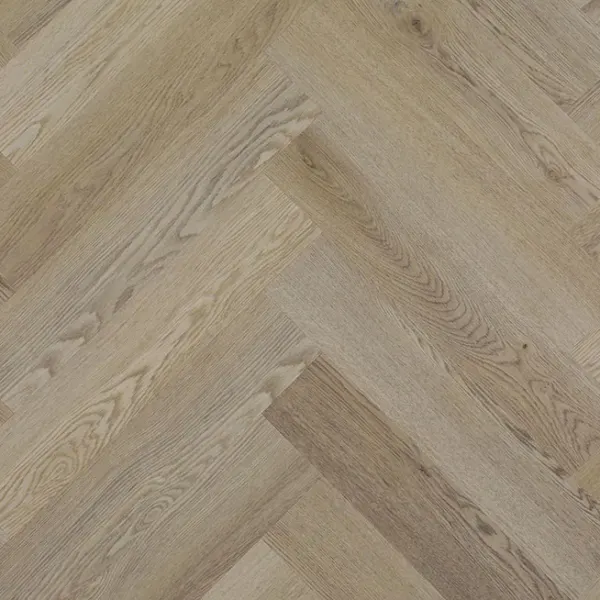 Lumière HerringboneBellevue Avenue
- 7mm thick
- 0.5mm wear layer
- 125mm wide
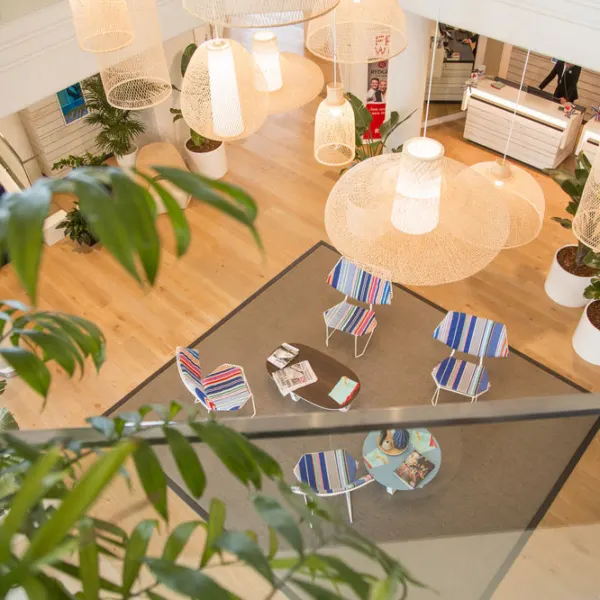 HerringboneBianche
- 15mm thick
- 4mm top layer
- 90mm wide
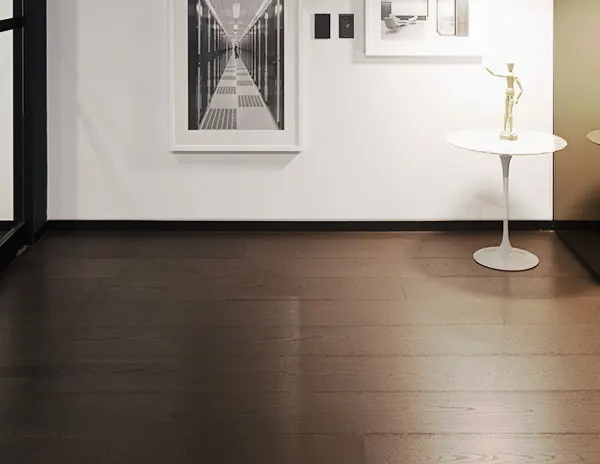 HerringboneBizet
- 15mm thick
- 4mm top layer
- 90mm wide
 Castel NuovoBlack Amber
- 14mm thick
- 3mm top layer
- 120mm wide
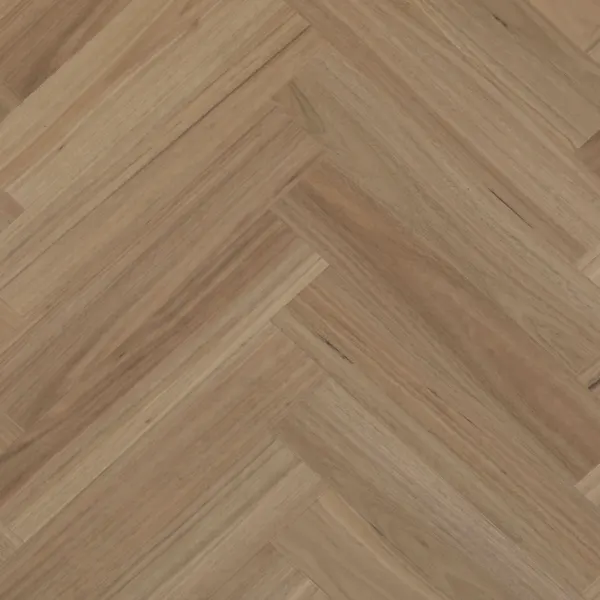 Lumière HerringboneBlackbutt
- 7mm thick
- 0.5mm wear layer
- 125mm wide
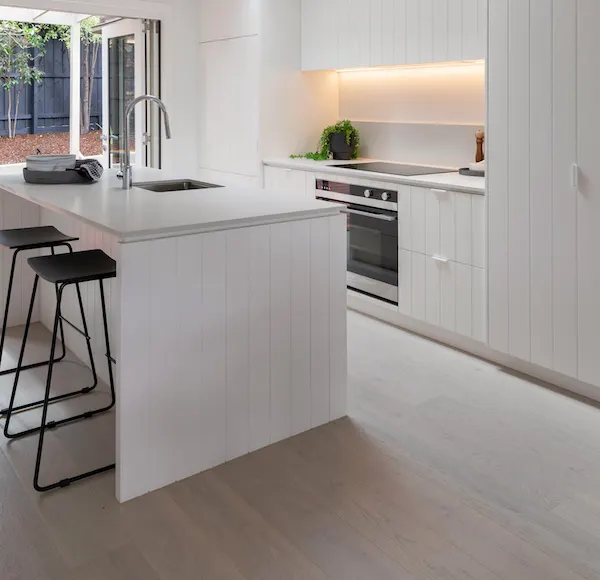 HerringboneBlanc
- 15mm thick
- 4mm top layer
- 90mm wide
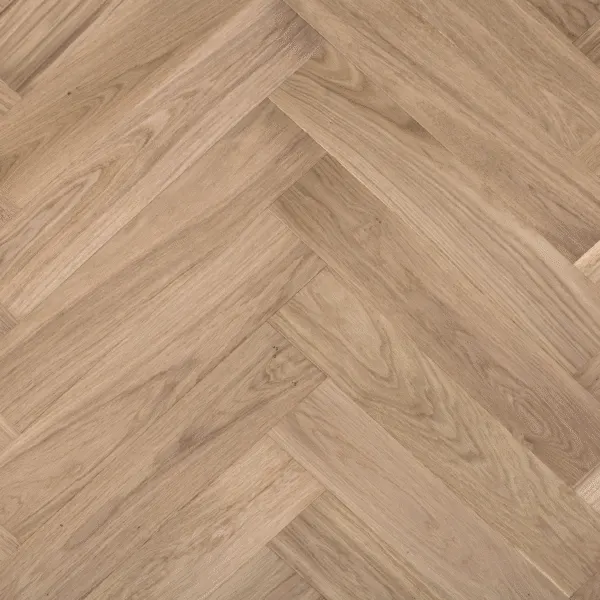 Castel NuovoBoathouse
- 14mm thick
- 3mm top layer
- 120mm wide
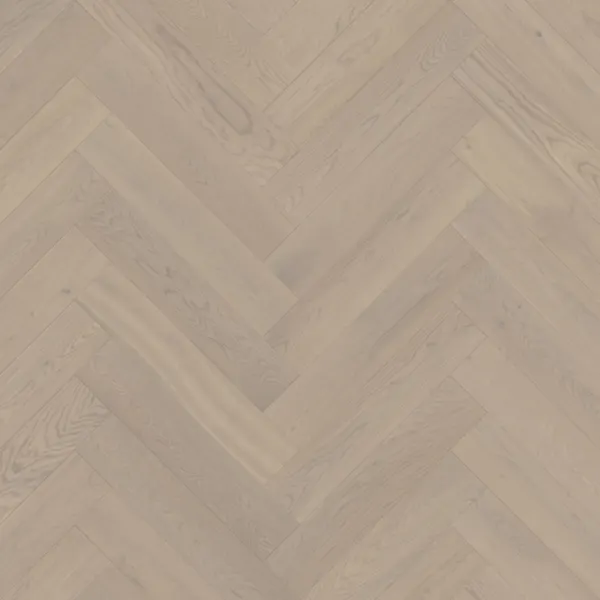 European Oak 15mm Prime HerringboneCasper White
- 15mm thick
- 3mm top layer
- 120mm wide
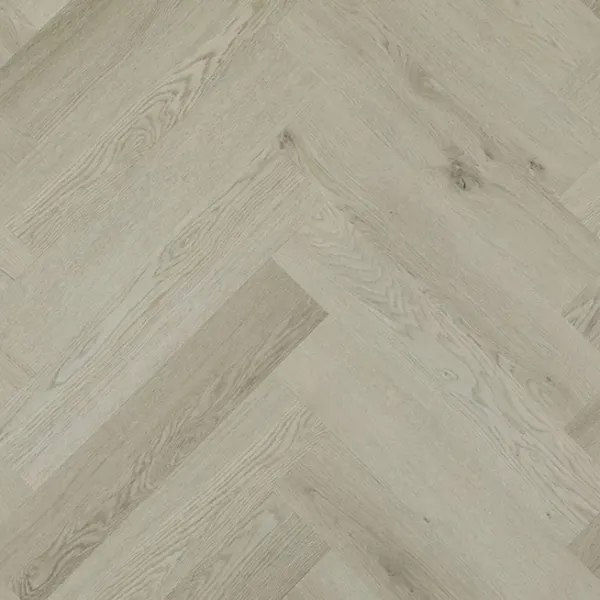 Lumière HerringboneCayman Oak
- 7mm thick
- 0.5mm wear layer
- 125mm wide
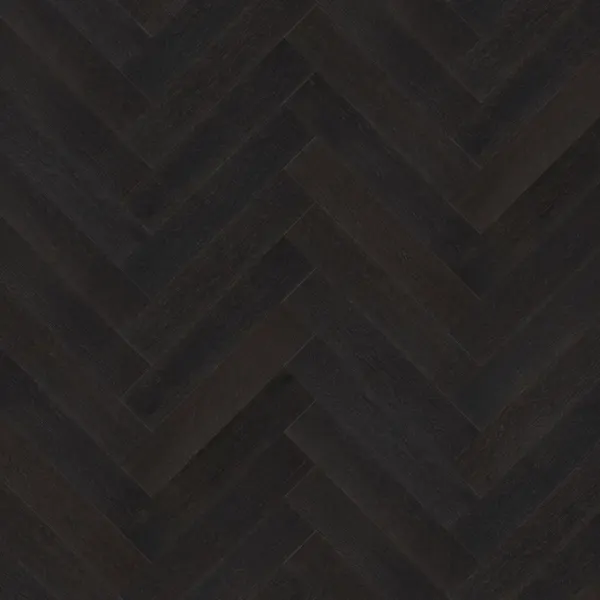 European Oak 15mm Prime HerringboneCharred Oak
- 15mm thick
- 3mm top layer
- 120mm wide
- Castel NuovoChâteau
- 14mm thick
- 3mm top layer
- 120mm wide
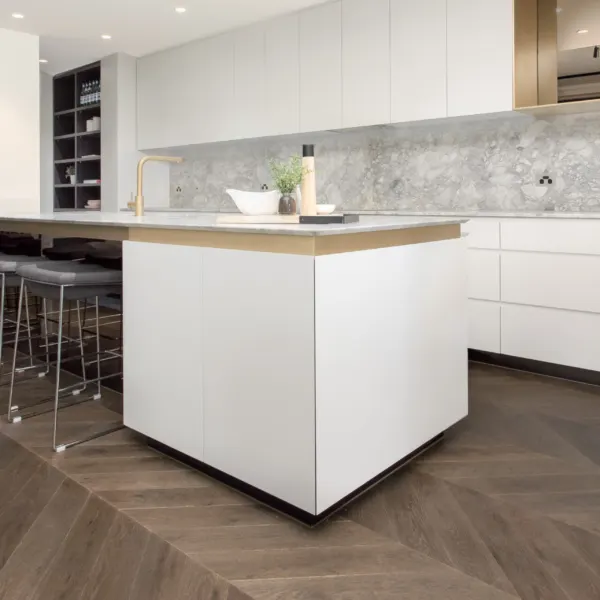 HerringboneDelft
- 15mm thick
- 4mm top layer
- 90mm wide
- Arlo HerringboneDove Grey
- 14mm thick
- 3mm top layer
- 148mm wide
- HerringboneDozie
- 15mm thick
- 4mm top layer
- 90mm wide
 HerringboneElmo
- 15mm thick
- 4mm top layer
- 90mm wide
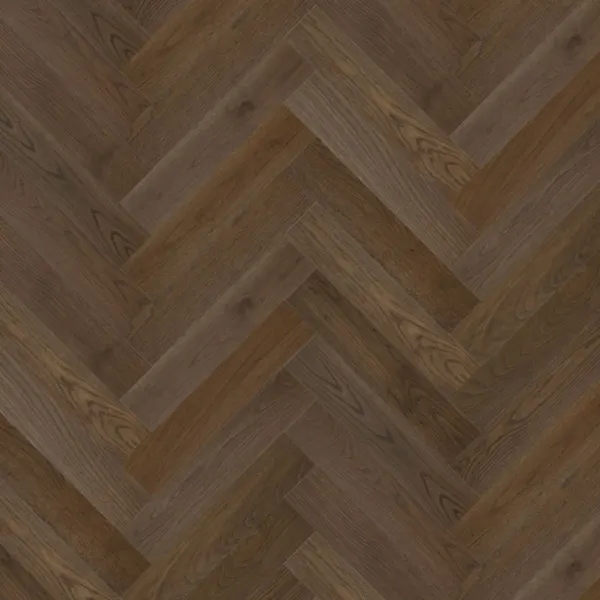 European Oak 15mm Prime HerringboneEmberwood
- 15mm thick
- 3mm top layer
- 120mm wide
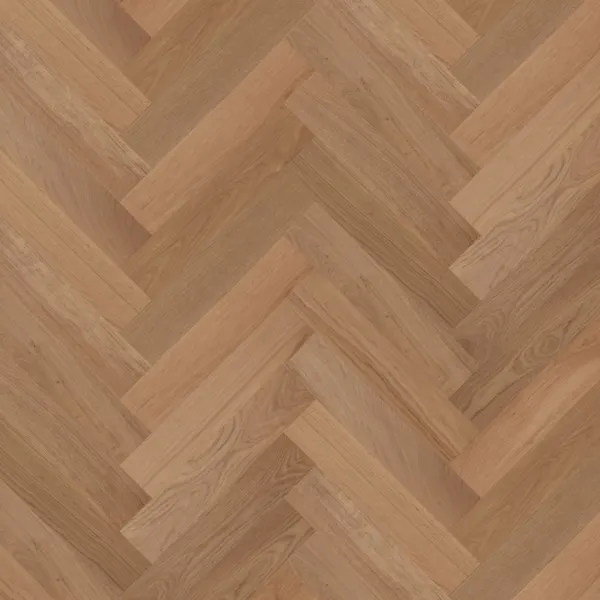 European Oak 15mm Prime HerringboneFawn Oak
- 15mm thick
- 3mm top layer
- 120mm wide
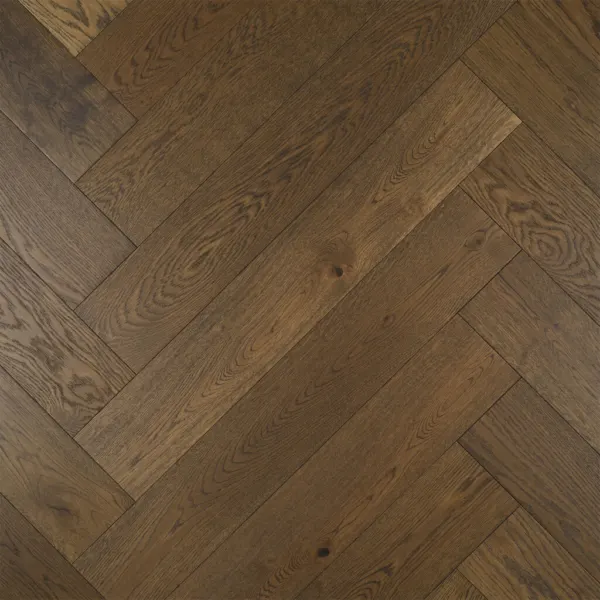 Arlo HerringboneFrench Grey
- 14mm thick
- 3mm top layer
- 148mm wide
 HerringboneGris
- 15mm thick
- 4mm top layer
- 90mm wide
Herringbone, chevron and Versailles
- Herringbone: rectangular blocks with square ends, laid in a staggered zigzag. Each block butts against the side of the next. It suits period homes and open-plan rooms alike.
- Chevron: the block ends are cut at an angle (usually 45° or 60°), so they meet in a clean, continuous V. It draws the eye along a room, which suits halls. It needs an experienced installer.
- Versailles: square parquet panels with an interlaced pattern, for formal rooms.
The pattern is a way of laying the floor, not a type of floor. The same colour often comes in plank, herringbone and chevron, so you can run planks through the bedrooms and a pattern in the living room.
Is a pattern floor right for you?
It suits you if
- You want the floor to be a feature: a living room, entry or long hall.
- You have a period home and want parquet that fits its age.
- You’re happy to allow extra time and extra boards for the lay.
Think twice if
- The room is broken up by lots of cabinetry or odd angles. A pattern shows every cut.
- You need it laid in a day. Pattern floors take roughly twice as long as plank.
- You want a floating timber floor. Timber herringbone and chevron are usually glued down.
What the pattern is made of matters
| Engineered oak | Hybrid | Laminate | |
|---|---|---|---|
| Our ranges | Castel Nuovo (herringbone), Prime-grade oak herringbone and chevron, Arlo Herringbone, plus more herringbone and chevron in oak | Lumière Herringbone | Shield Everlast Herringbone |
| How it’s laid | Usually glued down; most timber ranges require it. | Floating click | Floating click |
| Real timber? | Yes | No | No |
| Sanding later | Depends on top layer and range | No | No |
| Watch for | Subfloor must be flat and dry for glue-down | The warranty requires it laid in herringbone on a 3–5mm solid rubber underlay | Spills only; not for wet areas |
Where it can go
Some engineered ranges, with conditions
Underfloor heating
Usually in-slab hydronic heating, glued down, with the floor surface kept at or below 26–27°C. Some timber pattern formats aren’t rated for heating, and hybrid herringbone is “not recommended” over it.
With strata approval and a tested system
Apartments
A glued-down timber floor and a floating hybrid perform differently. Strata will want a test report for the exact build.
With care
Pets
Oak marks more easily than hybrid or laminate. A brushed oak hides fine marks.
Yes, with care
Kitchens
Fixed benches can’t sit on a floating pattern floor.
No
Bathrooms and laundries
None of our herringbone or chevron ranges allow wet areas.
What changes the price
- Labour: pattern laying is slower than plank, and chevron is slower again.
- Extra boards: allow 10–20% for waste, against 5–10% for straight plank. Chevron sits at the top of that range, because offcuts lose their angled end.
- Glue-down: adhesive, and a flat, dry subfloor to glue to.
- Borders and frames: a border, picture frame or basket-weave adds cutting time.
- Subfloor preparation, removal and finishing as for any floor.
Herringbone and chevron questions
What’s the difference between herringbone and chevron?
Herringbone uses rectangular blocks with square ends, laid in a staggered zigzag. Chevron blocks have angled ends that meet in a clean, continuous V. Herringbone looks busier and more traditional; chevron reads as a sharper line down the room.
How much extra flooring do I need?
Plan on about 10–20% extra for herringbone or chevron, against 5–10% for straight plank. Chevron sits at the top end because offcuts lose their angle. We calculate the exact amount at the measure.
Can herringbone be floated?
In timber, usually not. Most timber herringbone and chevron must be glued down. Hybrid and laminate herringbone click together and float, following the manufacturer’s underlay rules.
How long does a herringbone floor take to lay?
Roughly twice as long as plank. As a guide, about 3–4 days for 50 m² and 5–8 days for 100 m², plus curing time for glue-down. We confirm the timing after the measure.
Can I get the same colour in plank and herringbone?
Often yes. Castel Nuovo matches Project Oak colours, and several of our oak ranges offer many colours in plank, herringbone and chevron. Not every colour comes in every format, so check the format switcher on each colour page.
Which way should the pattern run?
Usually along the longest line of sight, such as down a hall or towards the main window, so the zigzag or V leads the eye through the room. We set it out with you at the measure before the first block goes down.
Is a hybrid herringbone as good as timber?
It’s a different floor. Hybrid herringbone clicks together, floats and handles spills, but it’s a printed look and can’t be sanded. Timber herringbone is real oak, usually glued down, and can be sanded if the top layer allows.
Can herringbone go in an apartment?
Usually, with owners corporation approval. Strata will want an acoustic test report for the exact system, and a glued timber floor behaves differently from a floating one. Check your by-laws before choosing.
Showrooms
See a pattern laid out
A board in your hand doesn’t show the pattern. Our showrooms have it laid.