

166 colours · 17 ranges
Engineered timber flooring
Real oak on top, a stable plywood core underneath. It looks and feels like timber because it is timber, and it moves less than solid boards.
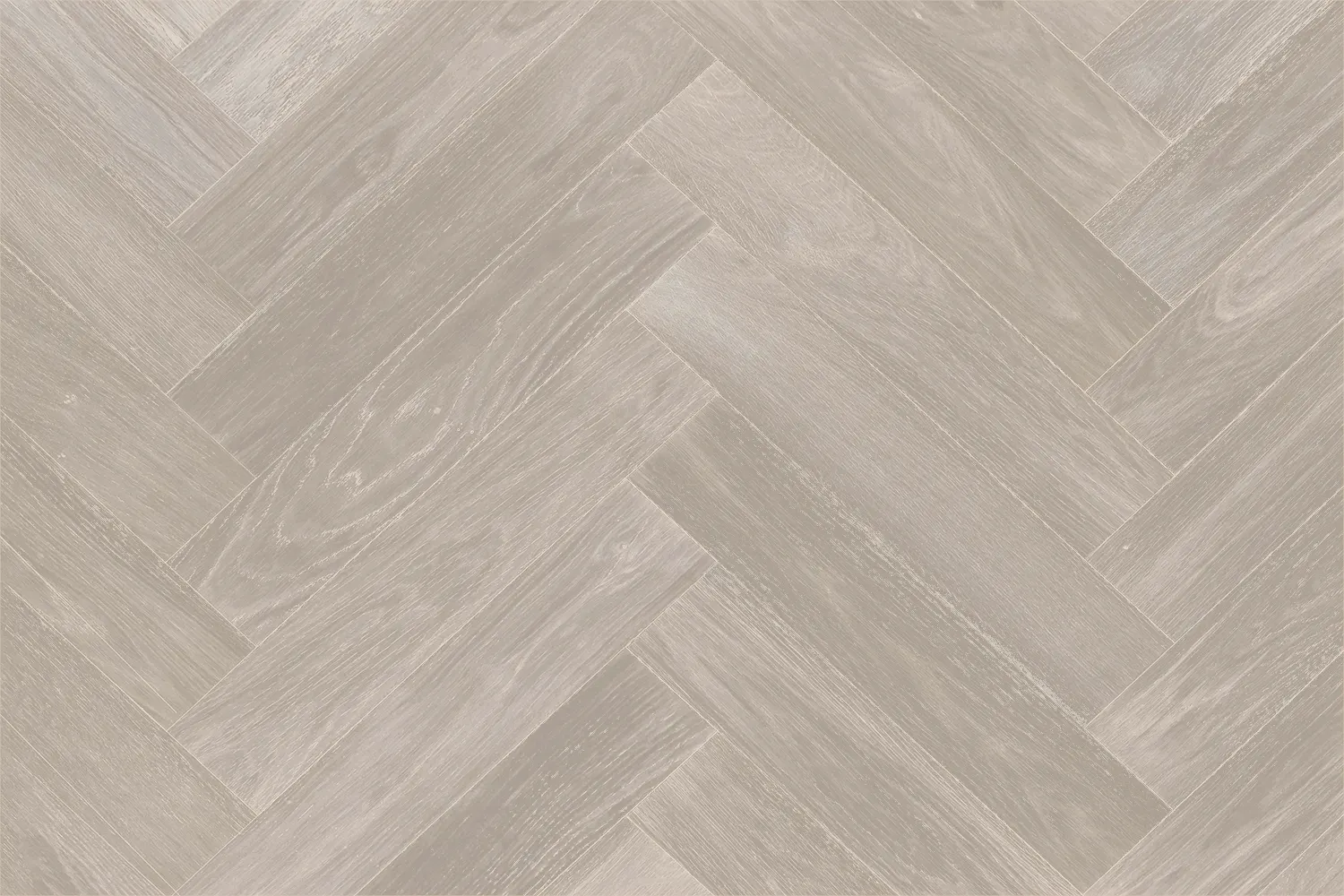
Our engineered ranges
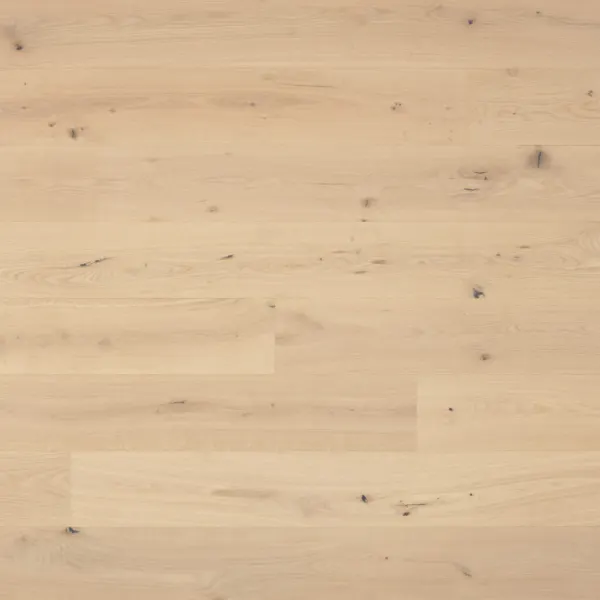 Arlo14mm thick · 3mm top layer · 190mm wide14mm European oak click plank, 1900 x 190mm, 3mm top layer; Lakewood's likely successor.8 colours
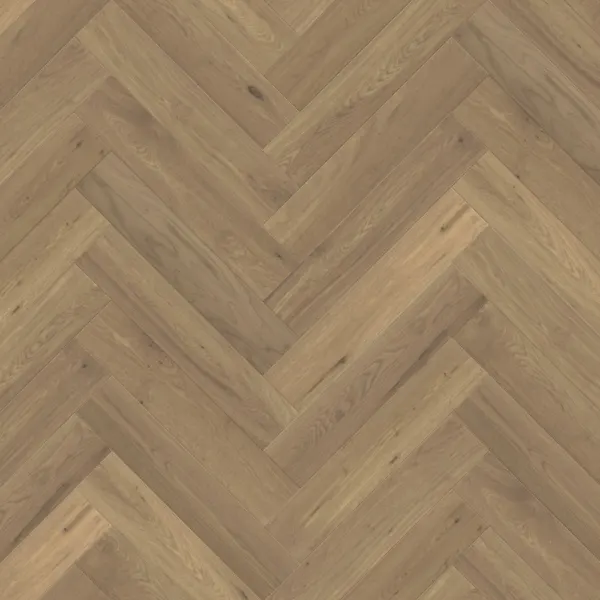
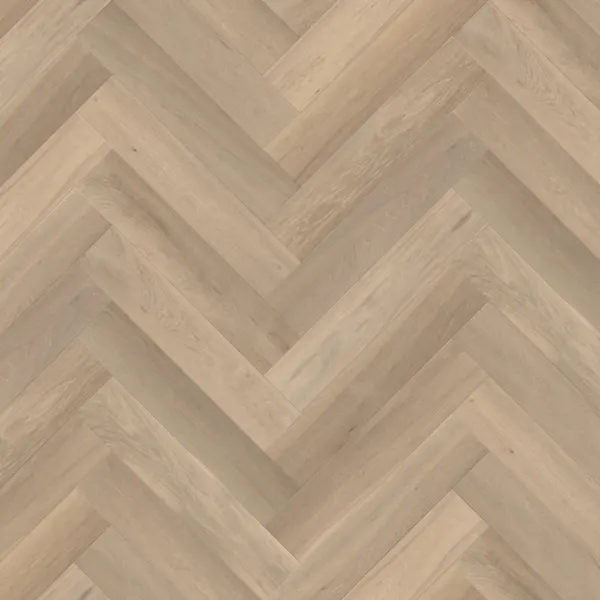
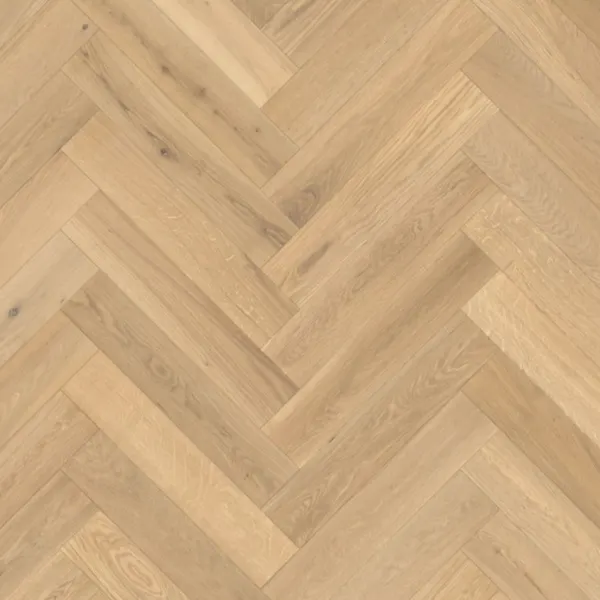
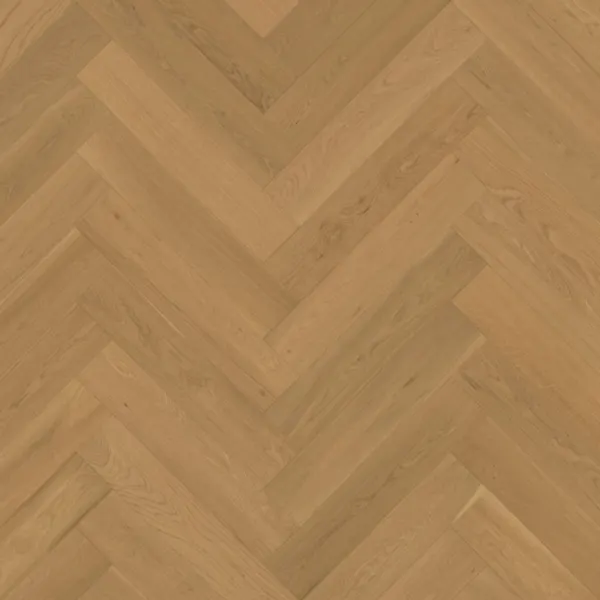
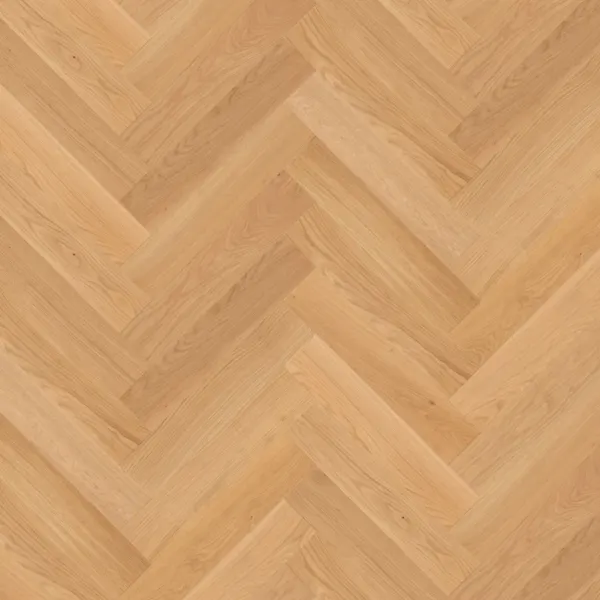
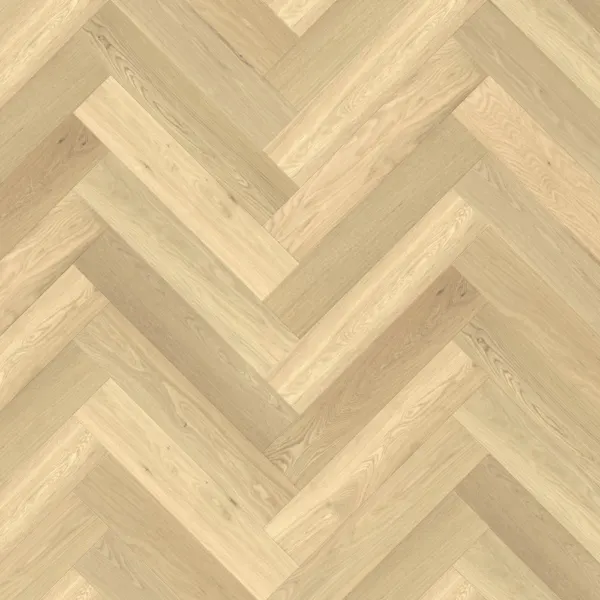
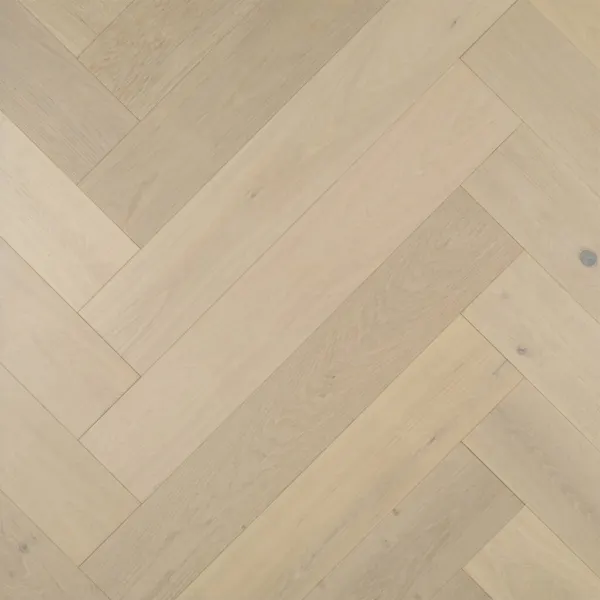 Arlo Herringbone14mm thick · 3mm top layer · 148mm wide14mm European oak herringbone blocks, 888 x 148mm, glue-down; replaces Lakewood Herringbone.5 colours
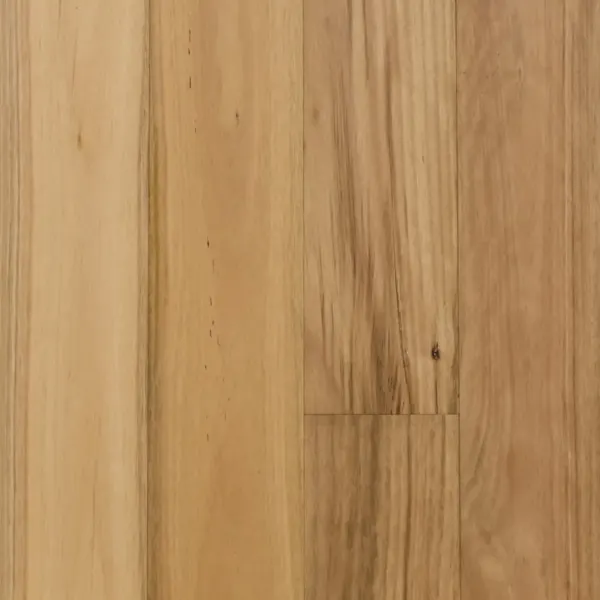 Australian Hardwood (Spotted Gum, Blackbutt)14mm thick · 3mm top layer · 133mm wide14mm engineered Spotted Gum or Blackbutt, 133mm wide, 3mm hardwood top layer, oiled. Clicks together and floats.2 colours
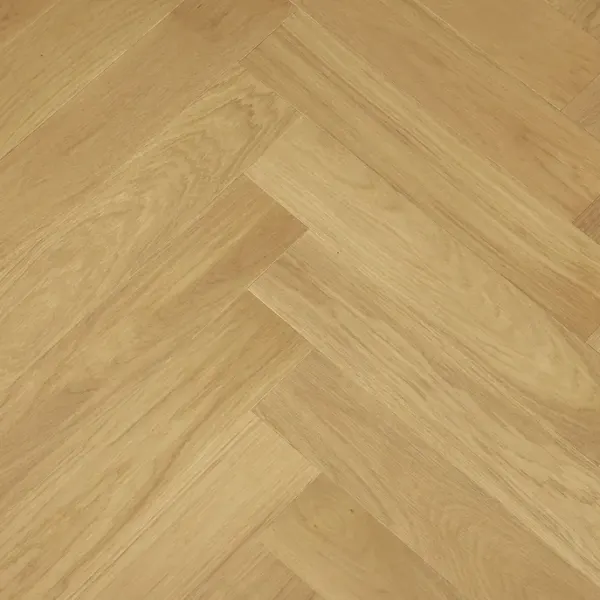 Castel Nuovo14mm thick · 3mm top layer · 120mm wideEngineered European oak herringbone, 600 × 120 × 14mm blocks with a 3mm oak top layer.12 colours
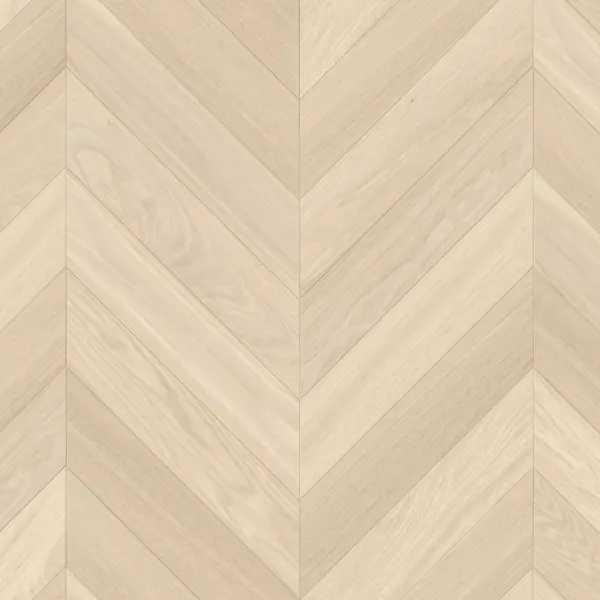
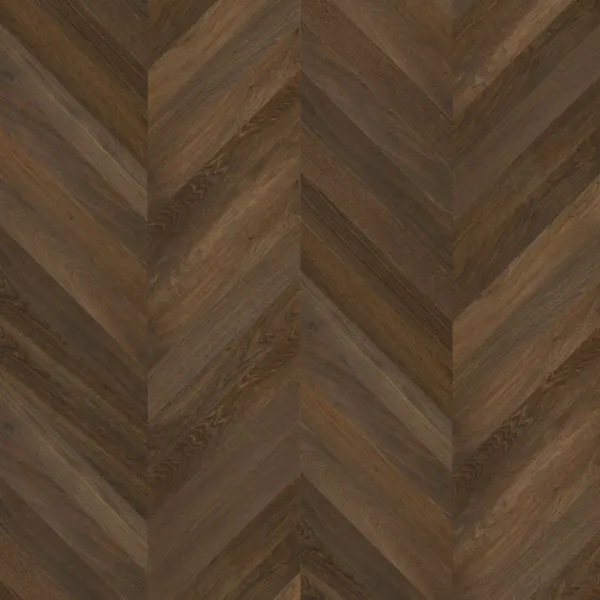
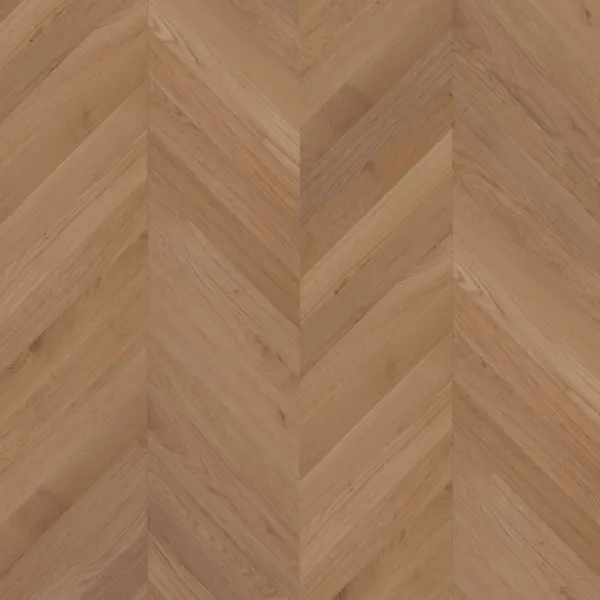
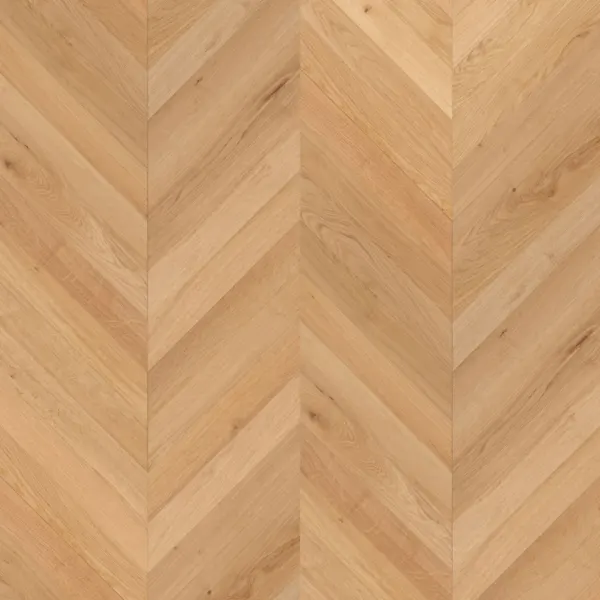
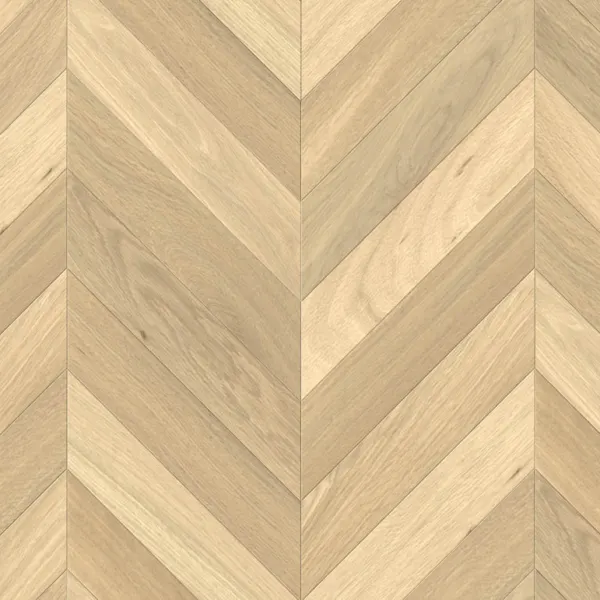
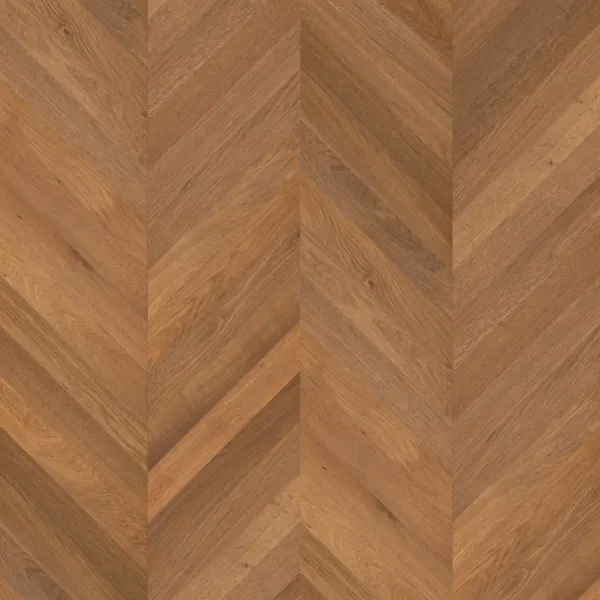
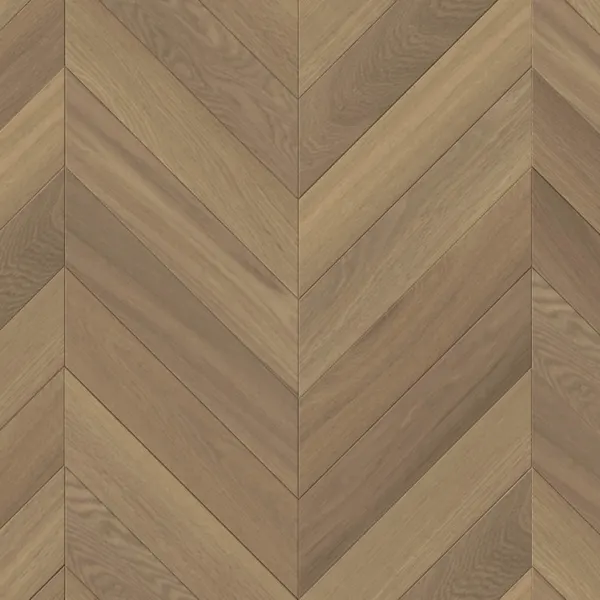
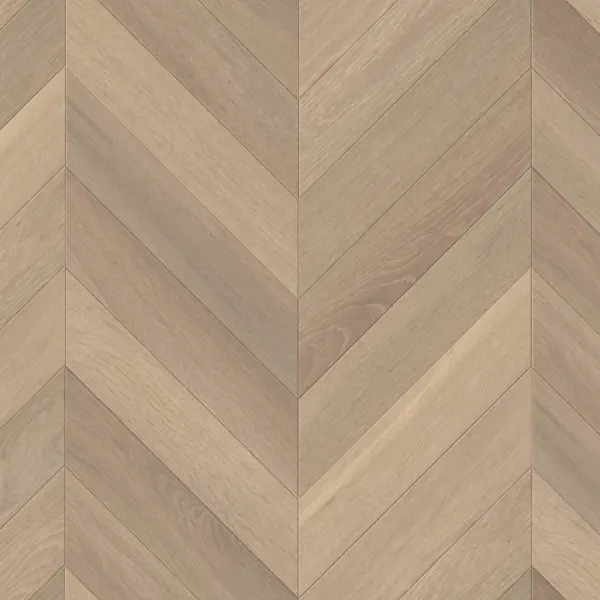
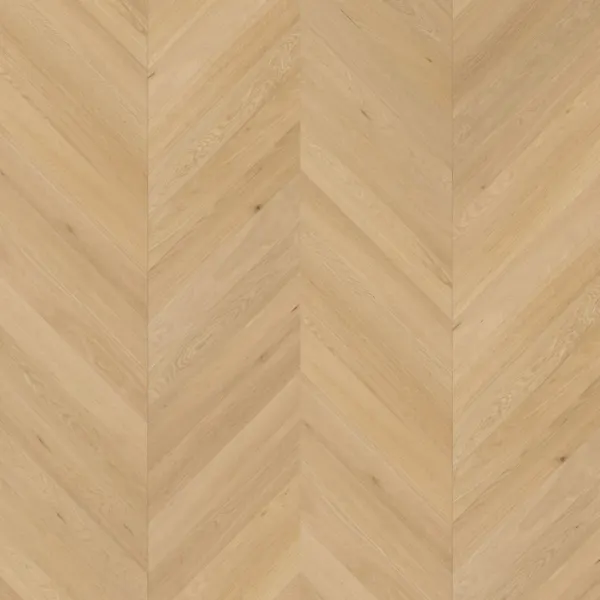
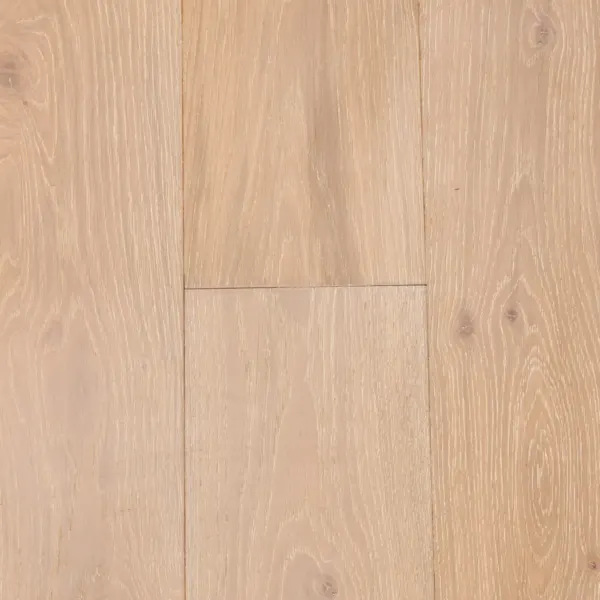 Chevron15mm thick · 4mm top layer · 120mm wide15mm European oak chevron, 120 x 600mm, 4mm oak top layer, oiled. Glue-down; needs an experienced layer.13 colours
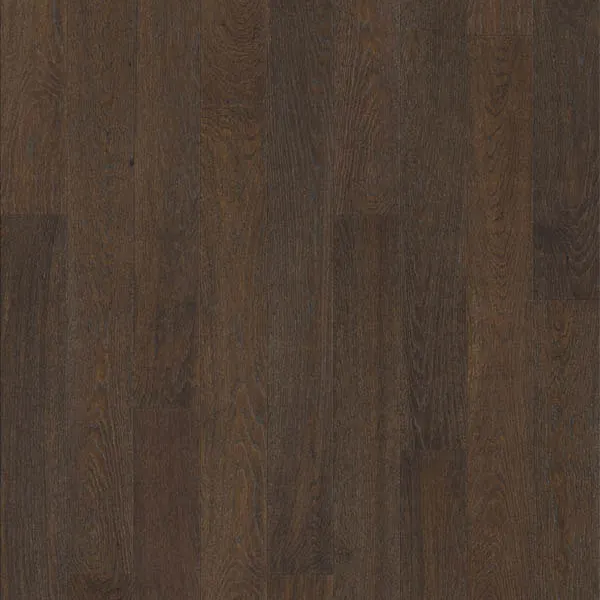 European Oak 14mm Natural Plank14mm thick · 2mm top layer · 190mm wideNatural-grade European oak, 1900 x 190mm, 2mm oak top layer, brushed matt lacquer.14 colours
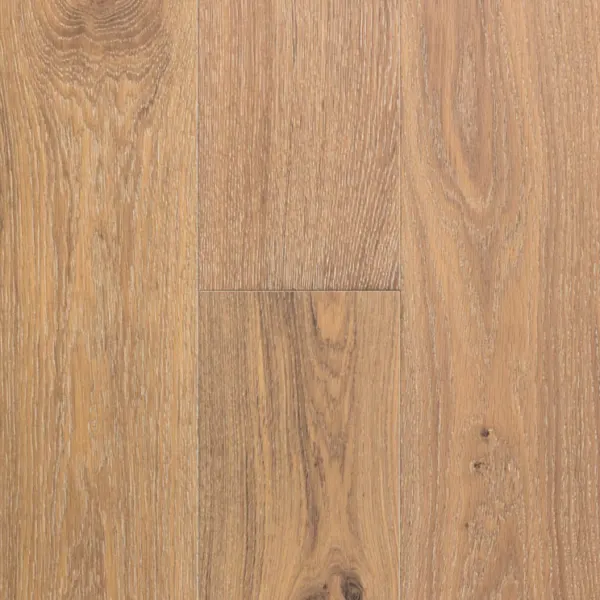
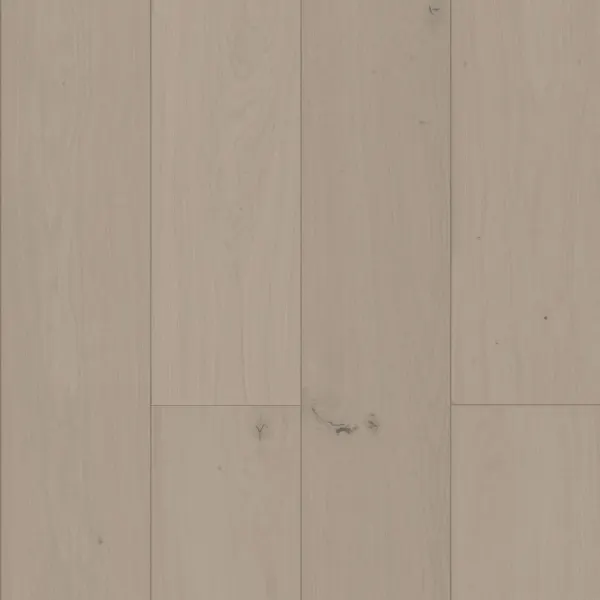 European Oak 15mm Natural Plank15mm thick · 3mm top layer · 190mm wideNatural-grade European oak with a 3mm top layer, 1900 x 190mm, brushed matt finish, 13 colours.13 colours
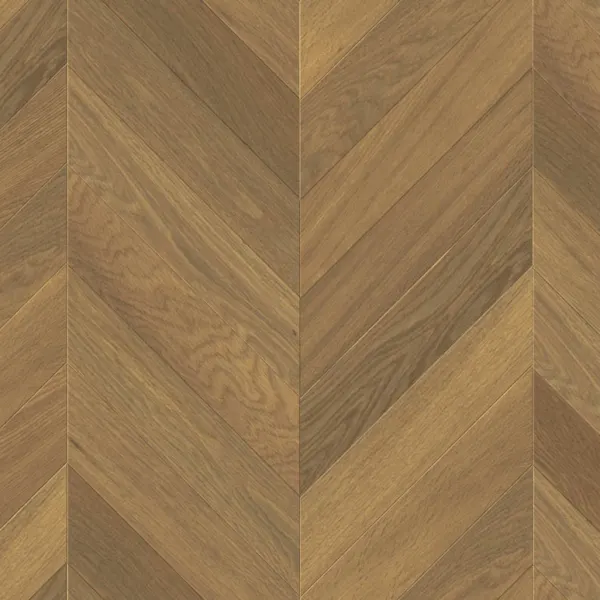 European Oak 15mm Prime Chevron15mm thick · 3mm top layer · 90mm widePrime-grade European oak chevron, 600 x 90 x 15mm boards, glued down, 10 colours.10 colours
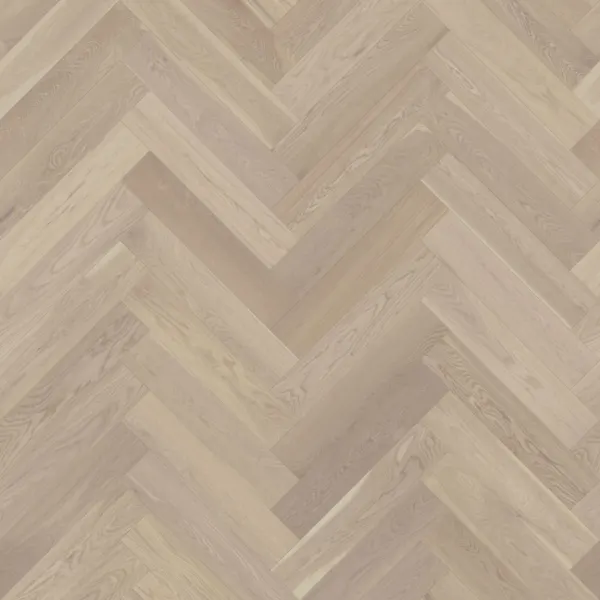
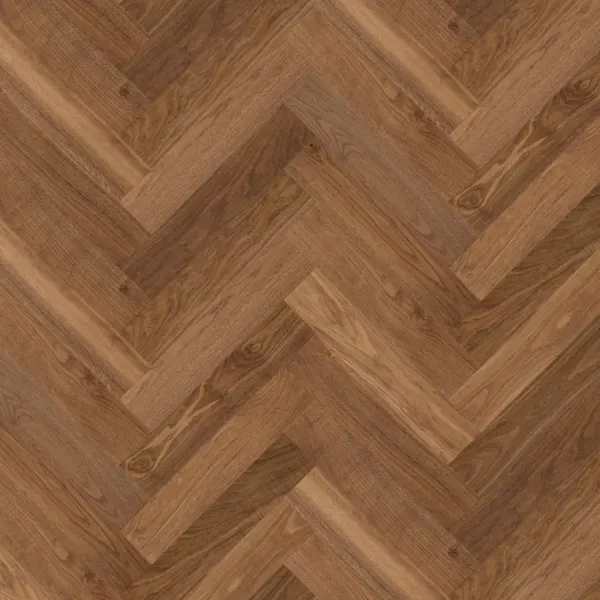
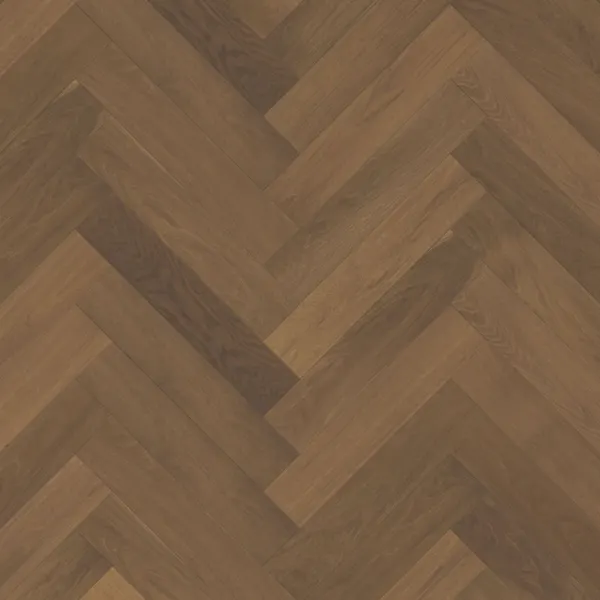
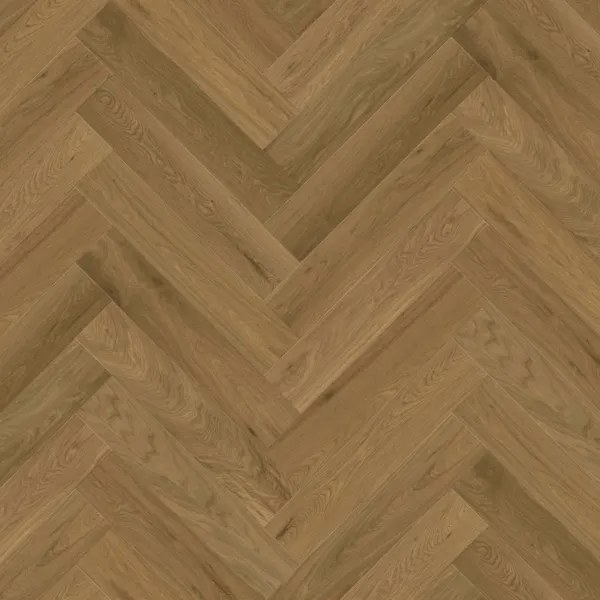 European Oak 15mm Prime Herringbone15mm thick · 3mm top layer · 120mm widePrime-grade European oak herringbone blocks, 600 x 120 x 15mm, glued down, 15 colours.15 colours
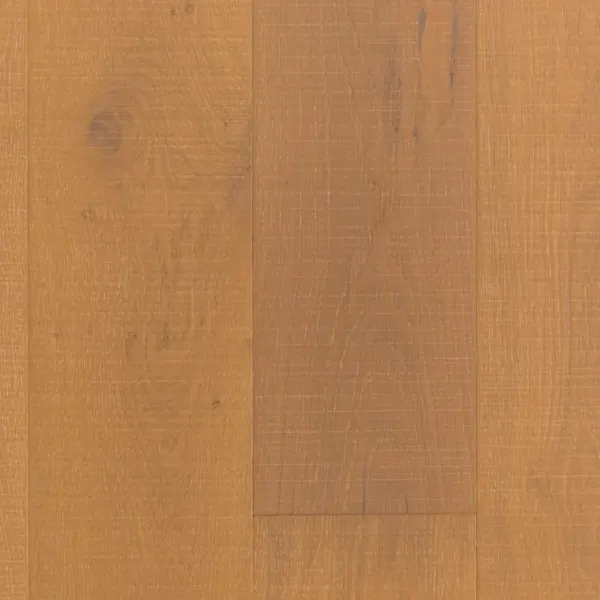 Herringbone15mm thick · 4mm top layer · 90mm wide15mm European oak herringbone blocks, 90 x 540mm, 4mm oak top layer, oiled. Glue-down.13 colours
 Inspire Oak6 colours
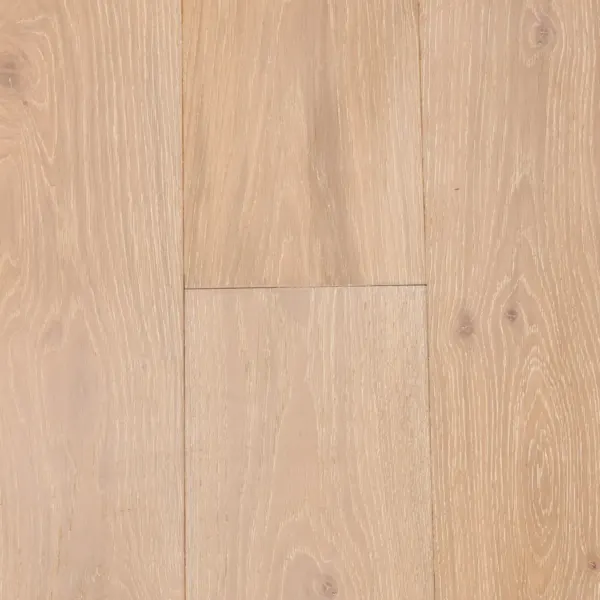 Largo20mm thick · 6mm top layer · 220mm wide20mm wide-board European oak, 220 x 2200mm, 6mm oak top layer. Glue or nail; suits heated slabs.13 colours
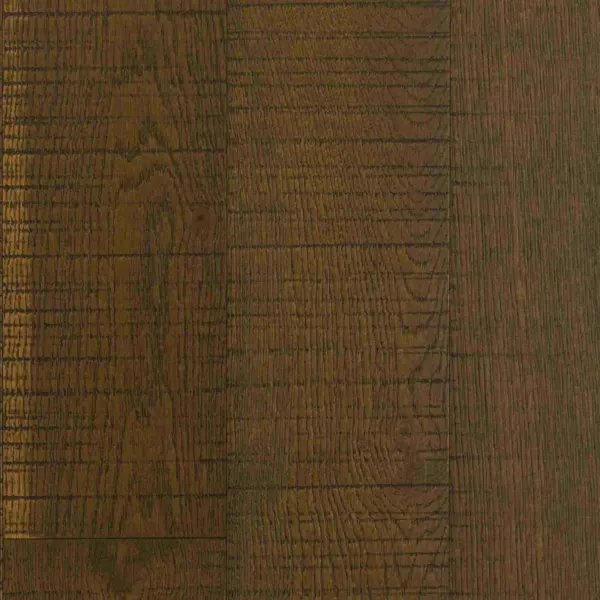 Mezzano15mm thick · 4mm top layer · 190mm wide15mm European oak plank, 190mm wide, 4mm oak top layer, oiled and wire-brushed. Floats or glues down.13 colours
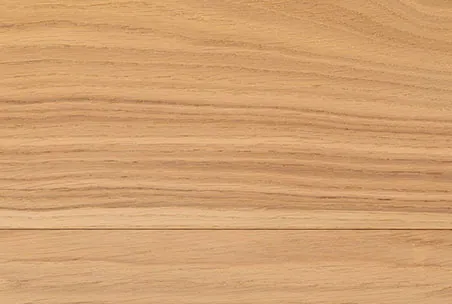 Natura XL14mm thick · 2mm top layer · 240mm wideExtra-long, extra-wide engineered European oak, 2200 x 240mm, brushed satin finish.4 colours
 Prestige Oak3 colours
- Project Oak14mm thick · 2mm top layer · 190mm wideEngineered European oak plank, 1900 × 190 × 14mm, 2mm oak top layer, brushed ultra-matte lacquer.12 colours
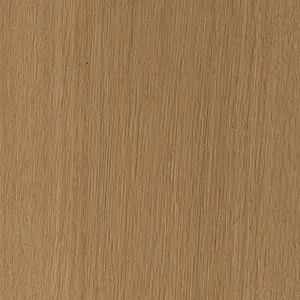 Riviera Oak14mm thick · 3mm top layer · 190mm wideEngineered European oak click plank, 1900 x 190 x 14mm with a 3mm oak veneer.10 colours
All engineered floors
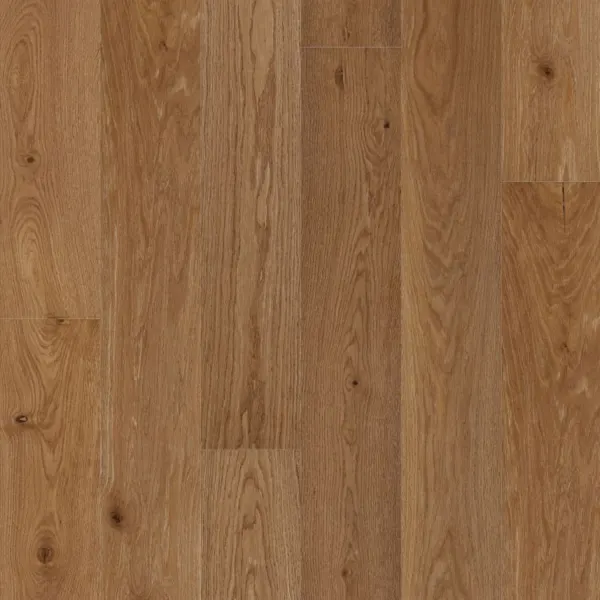
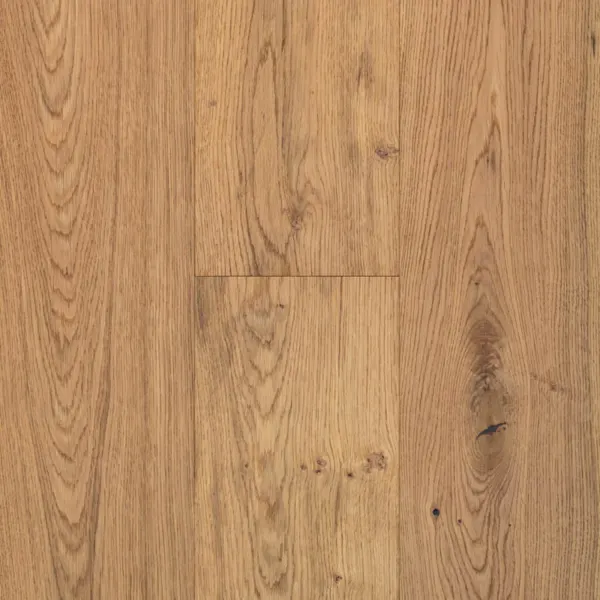
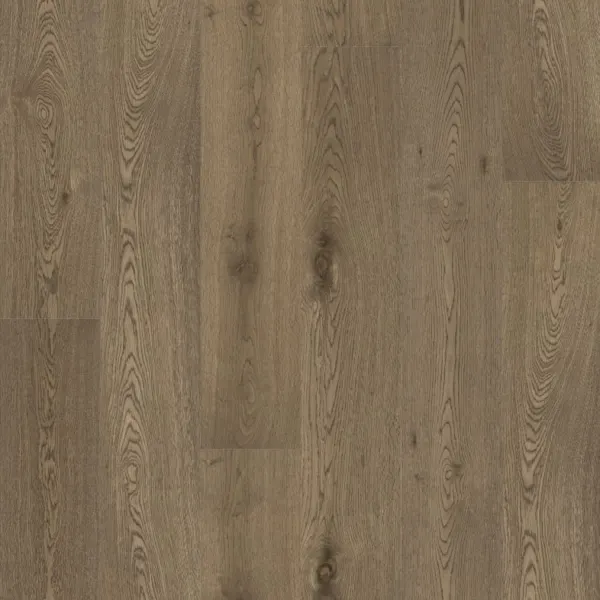
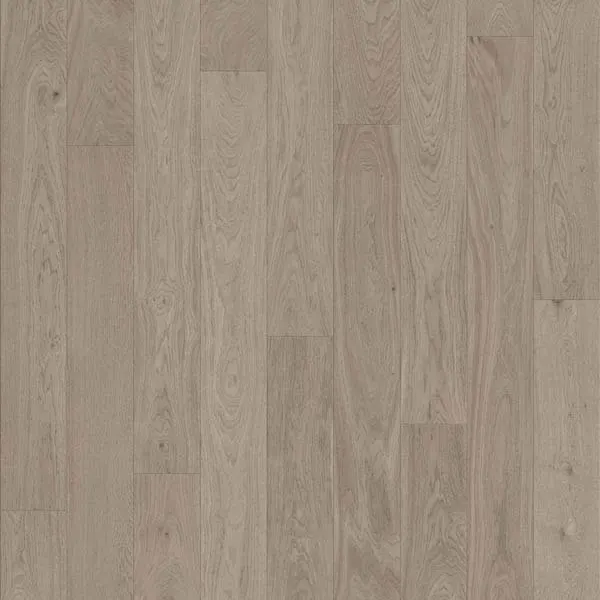
What engineered timber is
An engineered board is two layers glued together. The top is a slice of real hardwood, called the top layer or lamella, usually European oak. Underneath is a plywood or timber core laid in cross-directions, which stops the board moving as much as solid timber does when the air gets humid or dry.
Boards are usually 14–20mm thick, with a top layer of 2mm to 6mm. Most of ours are tongue and groove; some click together. They can be floated over underlay, glued to the slab, or on some ranges secret-nailed to a timber subfloor.
The top layer is the number to check. It decides whether the floor can ever be sanded back.
Is it right for your home?
It suits you if
- You want real oak and the look of a timber floor, in a house or an apartment.
- You’re laying over a concrete slab. Engineered is far easier on a slab than solid timber.
- You want herringbone or chevron in real timber.
- You’d like the option of one or more sands in future (top layer and range permitting).
Think twice if
- It’s for a bathroom, laundry or anywhere with a floor drain. None of our engineered ranges allow it.
- You have big dogs and don’t want any marks. European oak is roughly half as hard as Spotted Gum, so claws and chair legs show.
- Your kitchen benches would sit on the floor. A floating floor can’t go under fixed cabinetry.
- You want a floor you can mop wet or steam clean. Timber needs a damp mop and a neutral cleaner.
How it compares
| Engineered | Solid timber | Hybrid | Laminate | |
|---|---|---|---|---|
| Real timber? | Yes, on top | Yes, all the way through | No, printed | No, printed |
| Can it be sanded? | Depends on top layer and brand | Yes, several times | No | No |
| Over a concrete slab | Yes | Harder; needs a plywood or batten base | Yes | Yes |
| Spills | Wipe up quickly | Wipe up quickly | Plank won’t swell; joins and subfloor still matter | Water-resistant for spills only |
| Dents | Oak marks more easily than Australian hardwood | Depends on species | Wear layer takes scratches well | Depends on AC rating |
| Typical uses | Apartments, slabs, real oak, patterns | Houses on joists, long-term owners | Families, pets, kitchens, rentals | Bedrooms, rentals, quick jobs |
Sanding by top layer (as a rough guide): under 2mm, buff and recoat only · 2mm, about one sand · 3mm, one to two · 4mm and up, three or more. Some manufacturers void the warranty if the floor is refinished, so check before you plan on it.
Grades and finishes, explained
Grades (Prime, Select, Natural, Rustic). These describe how much natural character shows: knots, colour variation, sapwood. They are not a strength rating, and no Australian standard defines them, so one supplier’s Select can look like another’s Natural. Compare real boards in a showroom.
- Prime: few knots, calm and even.
- Select: small to medium knots.
- Natural / ABCD: the full range, including filled knots. Hides everyday marks well.
- Rustic: the most character.
Lacquer or oil?
- UV lacquer is a hard factory coating. Lower maintenance. Most of our oak is matt or ultra-matt lacquer.
- UV oil / hardwax oil soaks in. It looks more natural and small marks can be spot-repaired, but it needs more care. A few of our oak ranges use a UV oil finish.
Where it can go
Some ranges, with conditions
Underfloor heating
Usually hydronic heating in the slab, often glued down only, with the floor surface kept at or below 26–27°C. Some ranges allow hydronic only, glued down and never electric; in others only the thickest 20mm board is rated. We check your system against the range.
Usually, with strata approval
Apartments
In NSW, a hard floor is a minor renovation that needs owners corporation approval. Strata will want an acoustic test report for the exact board and underlay.
With care
Pets
Oak marks more easily than Australian hardwood. A brushed, character-grade board hides claws and grit well. Keep nails trimmed and use mats at doors.
Yes, with care
Kitchens
Wipe spills quickly. Fixed benches and islands must not sit on a floating floor; we fit around them with a gap.
No
Bathrooms and laundries
None of our engineered ranges allow wet areas. Here’s what does:
What changes the price
We don’t publish prices, because the same floor can cost very different amounts to lay in two homes. These are the things that move the number:
- The board itself: top layer thickness, width and length, and grade.
- Pattern: herringbone and chevron take longer to lay and need more extra boards.
- The subfloor: an uneven or damp slab needs grinding, levelling or a moisture barrier first.
- Install method: glue-down takes longer than floating and uses adhesive.
- What’s there now: removing carpet, tiles or old timber, and disposal.
- Finishing: skirting refit or scotia, door trimming, trims and stair nosings.
- Stairs: priced separately.
Engineered timber questions
Can engineered timber be sanded?
If the top layer is thick enough. As a rough guide, 2mm allows about one sand, 3mm one to two, and 4mm or more several. Some manufacturers void the warranty if you refinish. We check the range before you rely on it.
Will an oak floor dent?
More easily than Australian hardwoods. European oak is roughly half as hard as Spotted Gum, so heels, chair legs and claws can mark it. A brushed surface and a character grade hide marks better than a smooth, even board. No coating makes timber harder.
Can it go over underfloor heating?
Some ranges can, usually over hydronic heating in the slab, often glued down, with the floor surface at or below 26–27°C. Electric heating is ruled out by several manufacturers. It depends on the range, so tell us your system and we’ll check it.
Can I have engineered timber in my apartment?
Usually yes, once your owners corporation approves it. Your by-laws set the acoustic rating, and strata will want a test report for the exact board and underlay. We’ll talk you through what to ask for.
Floating or glued down?
Floating sits on underlay and is quicker. Glued down feels more solid underfoot, and some manufacturers require it over heating and for herringbone. The right one depends on your subfloor, the range and your building rules. We recommend one at the measure.
What’s the difference between Prime, Select and Natural?
How much natural character shows: knots, colour variation and sapwood. It’s about looks, not strength. Names vary between suppliers, so compare real boards side by side in a showroom.
Lacquer or oil?
Lacquer is a harder, lower-maintenance surface. Oil looks more natural and you can spot-repair small marks, but it needs more care over the years. Most of our oak is matt lacquer; a few ranges use UV oil.
Does it need to acclimatise before it’s laid?
Follow the manufacturer’s instructions; the installer will check the boards and the room conditions on the day. Rooms need to be empty for installation.
Showrooms
See engineered oak in person
Full-size boards on display at Brookvale, Leichhardt and Bondi Junction.